
Lam Sai Wing’s disciple Jyu Yu Jai often quotes 4 character mnemonic: “Fists, Kicks, Knives and Long pole” (Kyun, Geuk, Dou, Gwan), summarizing the essence of Southern Chinese martial arts.
Popular Southern Chinese martial arts saying goes: “Barefisted techniques are the seed, long pole is the master, double knives are father and mother.” (Kyun Wai Jung, Gwan Wai Si, Seung Dou Wai Fu Mou). Continue reading

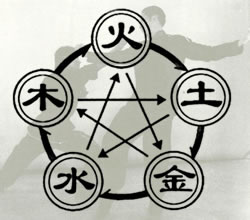 Traditional Chinese cosmology as well as systems like (modern) Xing Yi Quan have simple but profound theory of “Mutual Generation” as well as “Mutual Destruction” of “Five Elements”:
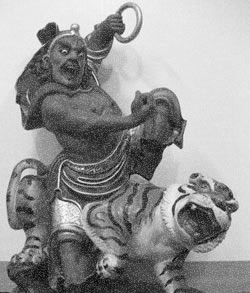 Hung Kyun Saam Bou, “Three Treasures of Hung Kyun”: „Taming of the Tiger in Gung Pattern“ (Gung Ji Fuk Fu Kyun), „Tiger and Crane Double Form“ (Fu Hok Seung Ying) and „Iron Thread Set“ (Tit Sin Kyun).
 No strength and conditioning at all – because „we don’t need it, we get all from doing our sets, sparring sets, heavy bag and sparring.”
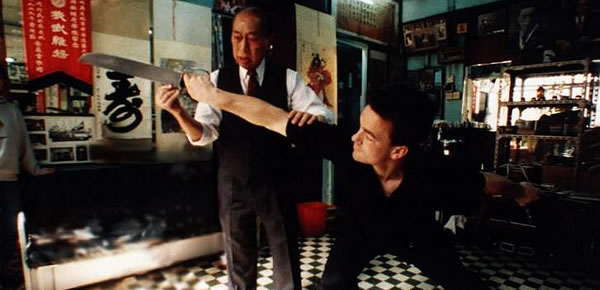 One of the most typical weapons in Southern Chinese martial art styles are “Two Southern Knives” (Seung Naam Dou).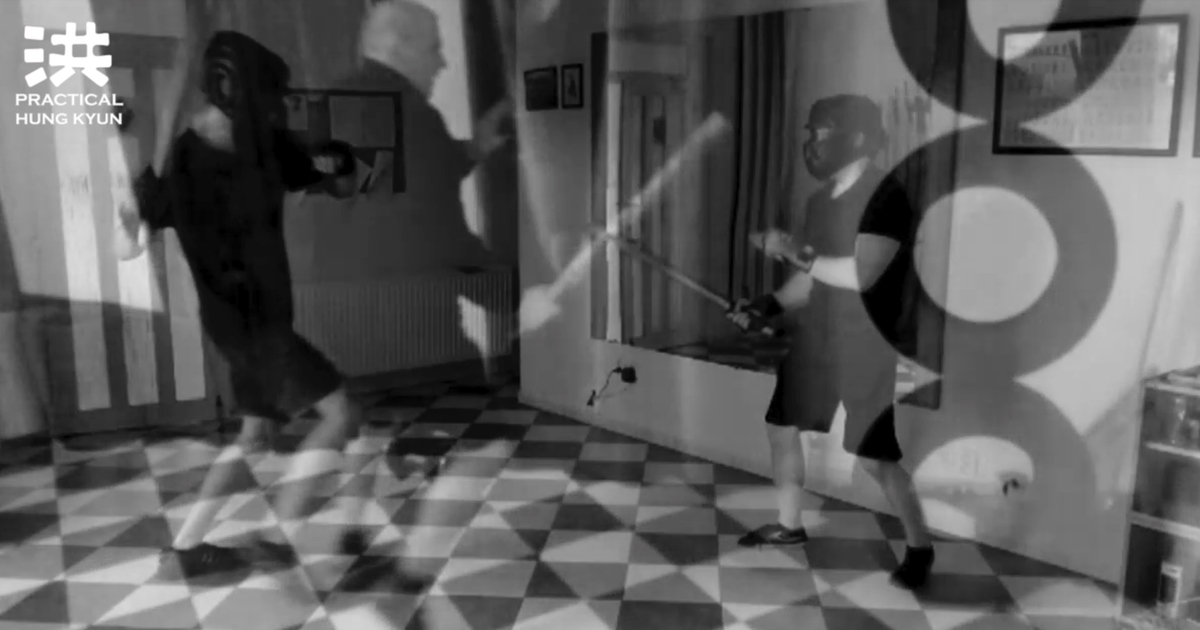


 Origins of the “Traveller Monk’s Staff” (Hang Je Paang) are not very clear – most sources date it to the times of Wong Feihung and before. Grandmaster Lam Jou practiced this form with a short introduction from the “Monkey Style” (Hau Kyun) and several techniques in the form actually carry “monkey” names – one of the many alternative names of this form is indeed the “Monkey Staff” (Hau Ji Gwan). This weapon form is a tribute to the legendary hero of the Chinese novel “Journey to the West”, Monkey King Syun Ng Hung (in standardized Chinese Sun Wu Kong), also called Syun Hang Je (Hang Je meaning “traveller monk”), whose favorite weapon was a magical “Wishing Staff” (Yu Yi Paang) that could grow to any size according to the will of its master.